
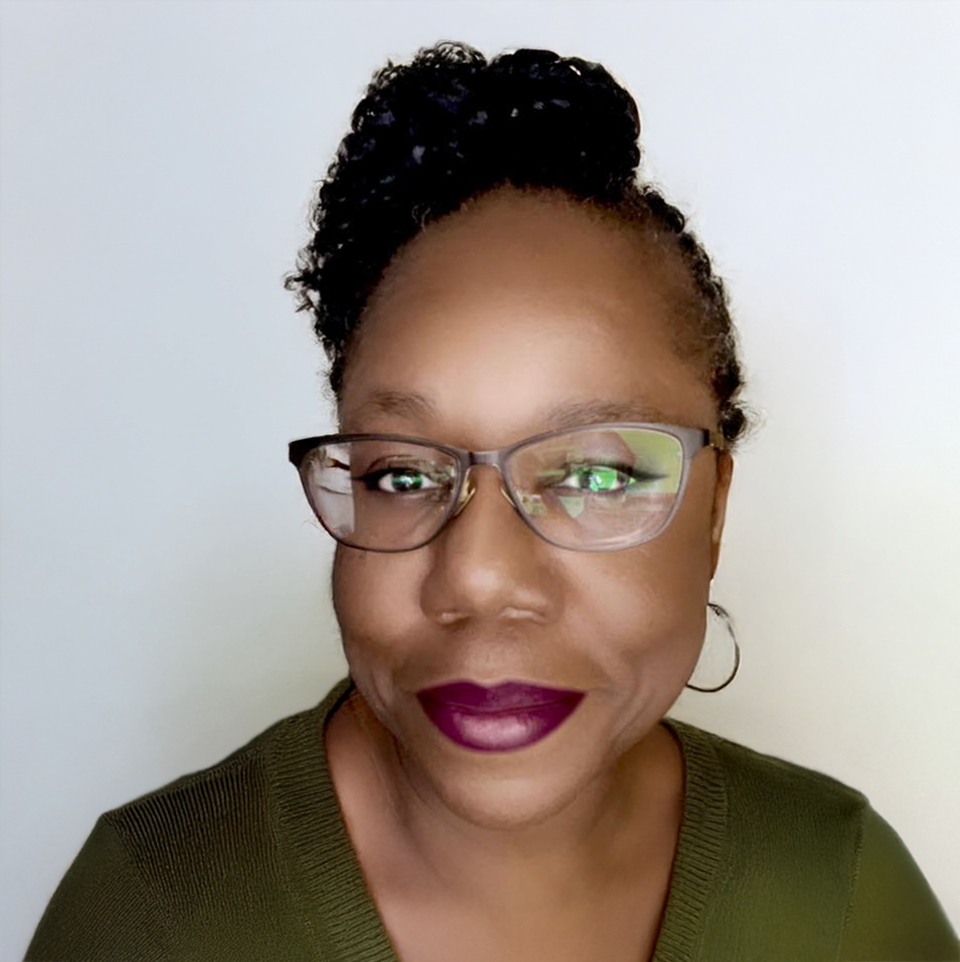
Dr. Sam Martin
By Kweku Diaw
“The moment I read Tifara’s libretto, I was blown away. It was Afrofuturism at its finest—vividly visual, emotionally resonant, charismatic, and charged with futuristic energy.”
This was the sentiment shared by digital artist and storyteller Dr. Sam Martin after reading the libretto for Cincinnati Opera’s world-premiere opera Lalovavi, with words written by Tifara Brown.
Dr. Martin was initially discovered by the Cincinnati Opera team through Instagram, where her vibrant, Afrofuturist-inspired artwork immediately stood out. Her distinctive visual style led to an invitation to create the promotional artwork for Lalovavi.
As the collaboration grew, she was brought on board to help shape the visual identity of Rise of Titan, the original comic book prequel to Lalovavi. While not involved in the stage production itself, Dr. Martin was tasked with developing the comic’s visual language, establishing the style guide that defined the world’s aesthetic, the appearance of its characters, and the ecosystem they inhabit.
It quickly became clear that Dr. Martin’s artistic vision was a natural fit for the world Brown had imagined. That creative alignment made the collaboration feel almost inevitable.
“I feel as if some of the art that I was creating previously was within this world as well,” says Dr. Martin. “It wasn’t a stretch of imagination to immerse myself in the world Tifara and the team was building. Everything resonated with me so seamlessly.”
Sitting down with Dr. Martin, I had the opportunity to hear more about her artistic journey, the inspirations behind her work, and how a connection that began with a chance discovery on Instagram evolved into an opportunity to help shape the visual world of Rise of Titan, contributing to a landmark moment in Cincinnati Opera’s history.
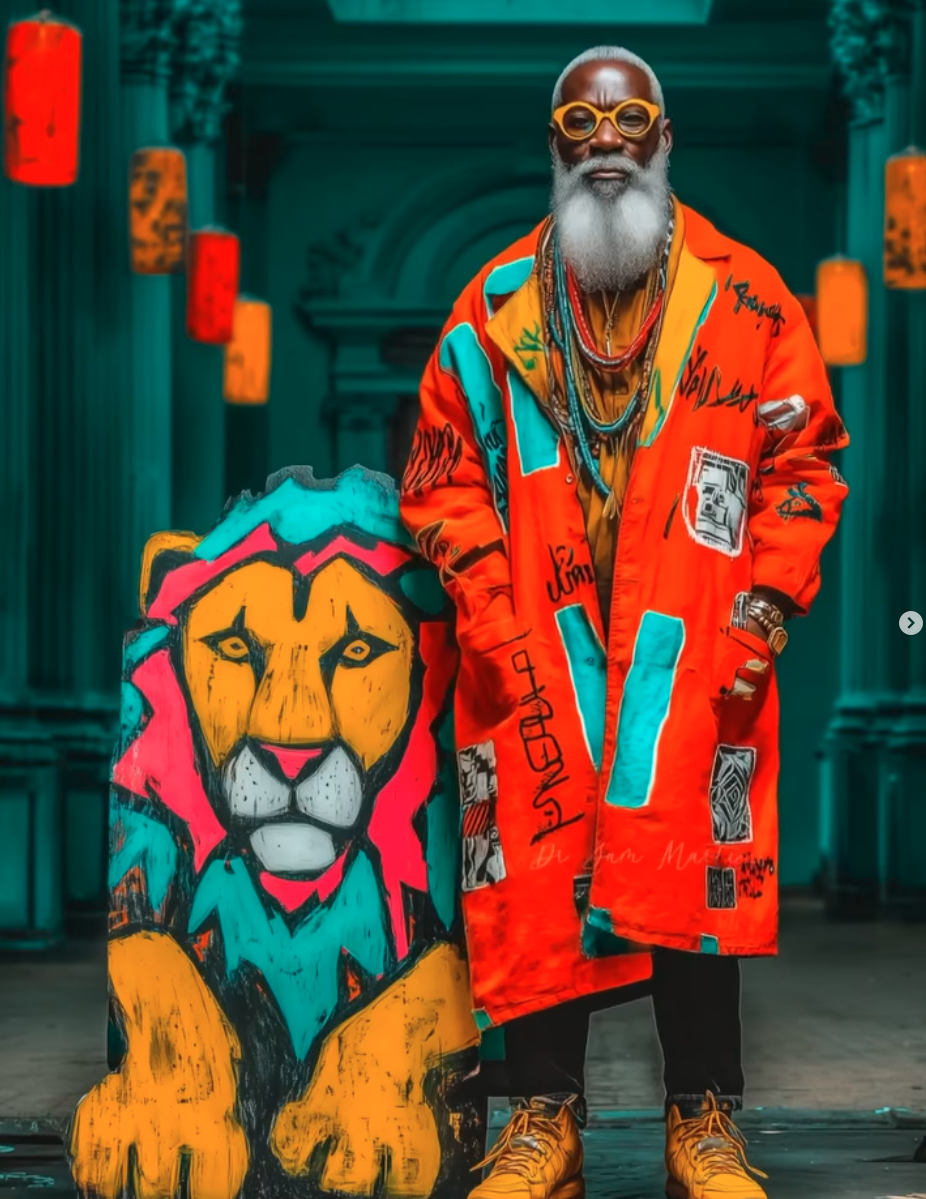
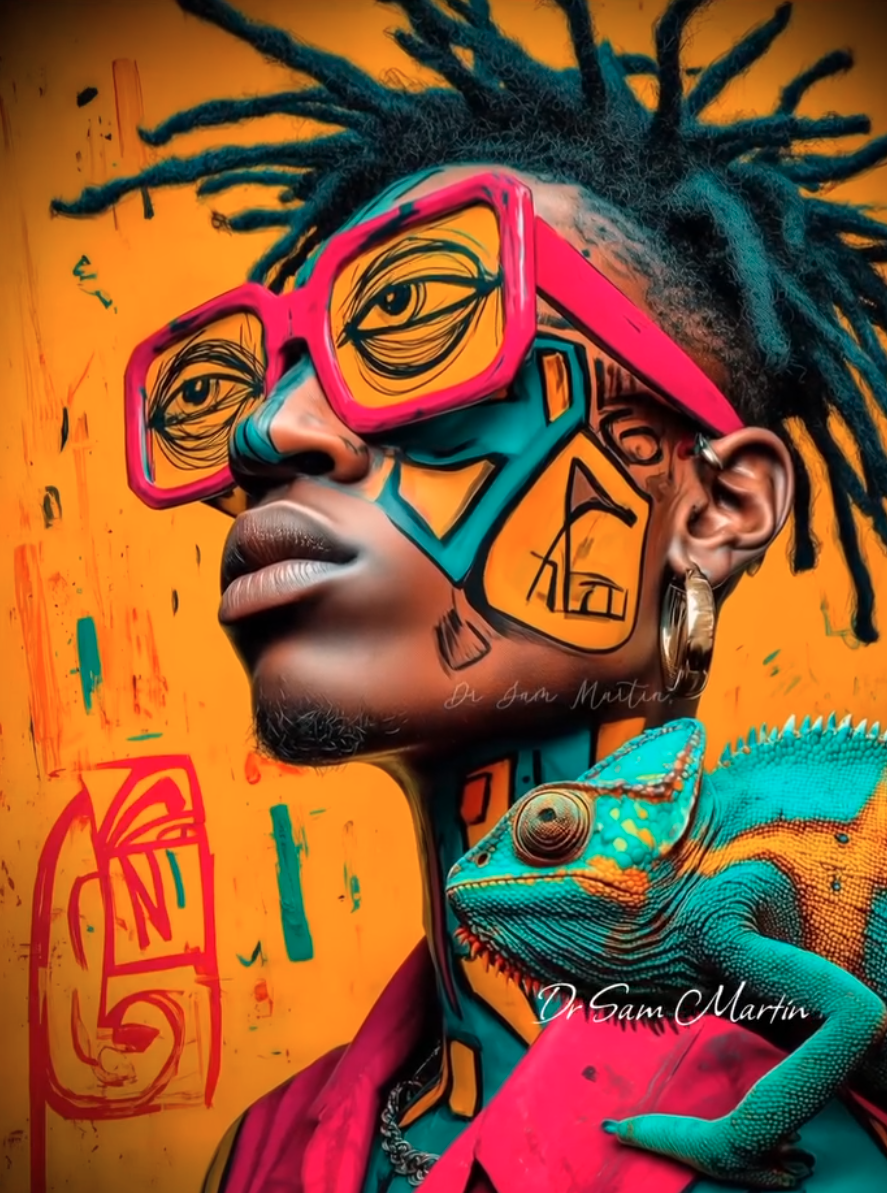
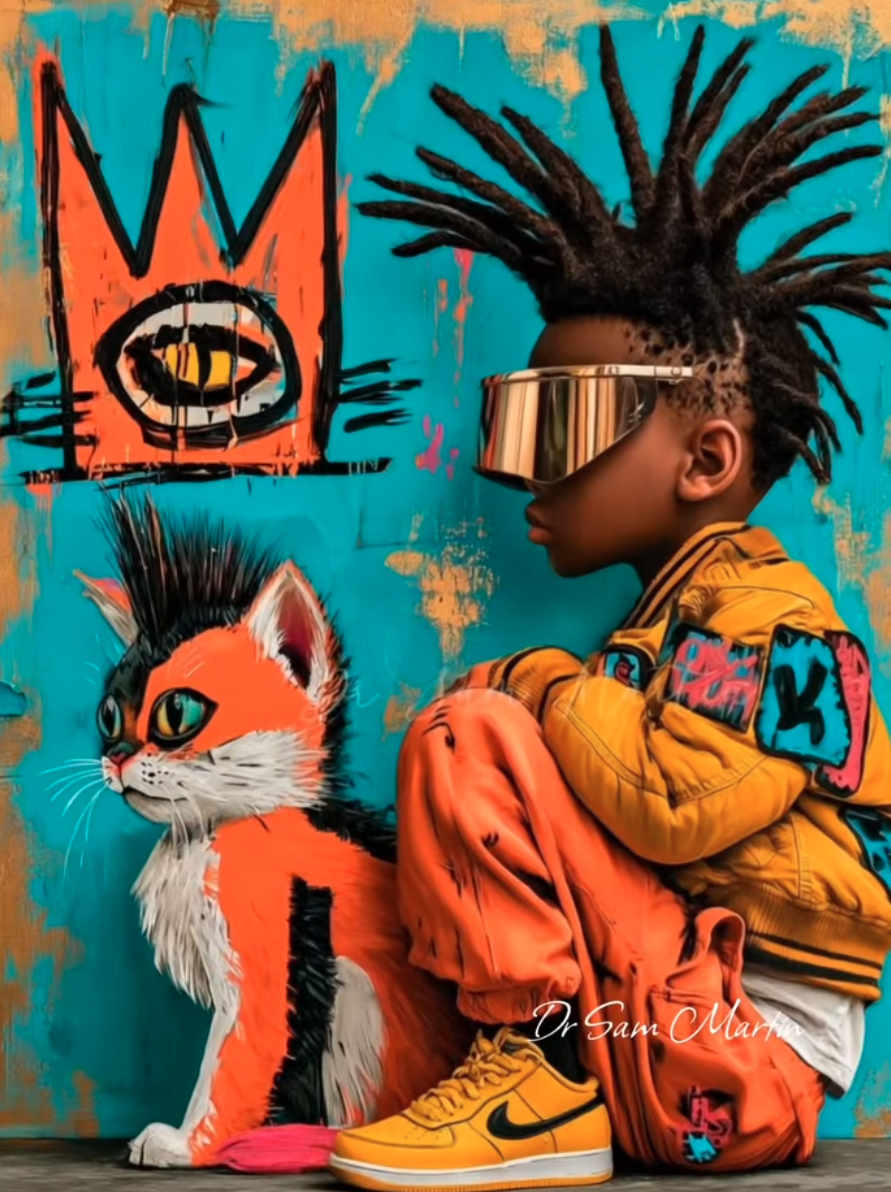
Artwork by Dr. Sam Martin
Imaginative Origins
Dr. Martin describes herself as an overachieving immigrant child. As the youngest of five children with a mother from the Caribbean who emigrated to London in 1957, she had the unique privilege of figuring out what she wanted to do. Her mum taught her how to read when she was just three years old, and before long, she discovered fantasy-based stories.
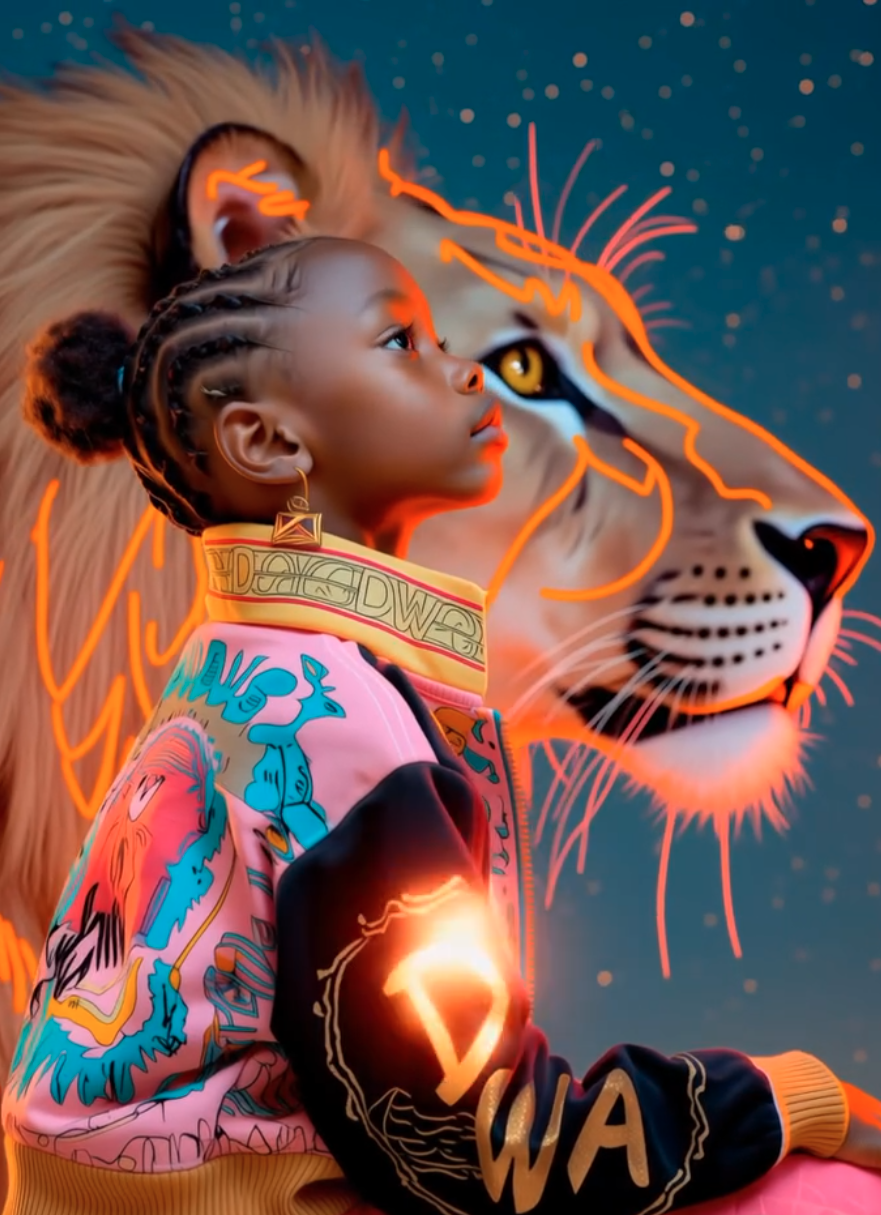
Artwork by Dr. Sam Martin
“The first book I found in the library that struck my interest in fantasy was Robin Hood,” she recalls. “The book was bigger than my head, but the librarian was more concerned about whether I could read it. My mum made her aware of my reading prowess. The first thing I noticed was the absence of Black people in the story, and I questioned my mum about it. Her response set me up for life: ‘Maybe you can think about how to insert yourself in the story.’”
It’s one thing for a child to start reading early and engaging their imagination. It’s another when they can rewrite a story in their minds by reinventing the characters, their appearances, and their personalities. That’s exactly what Dr. Martin was doing at a young age. Unbeknownst to her, this would be the fire that would light her inclination towards the arts.
“I was achieving well at school, getting all As,” she says. “But then I also loved art, and I really, really enjoyed it to the point where I was offered an opportunity to pursue creative writing in university. At the same time, Oxford had offered me the opportunity to do law, and that was surreal. So now I’m caught between what my family wants and what my heart wants. I had to go with my family’s wishes, so Oxford was what I chose.”
Despite this choice, Dr. Martin would not be denied her artistic explorations, and she found an outlet when she started spending time with friends who were pursuing English literature, philosophy, and music.
Things shifted, though, once she finished school and started practicing as a lawyer in London.
“I just thought, I can’t do this anymore,” she recalls. “I decided to train myself as a web designer and developer. I found myself working at a publishing company, and I used the avant-garde tool at the time, Flash, to create worlds where people could learn through visual interaction.”
Her artistic sensibility gave her an edge in fashioning and crafting worlds. She credits part of her ability to do this to her exposure to Picasso and Surrealism back in her days at Oxford. In a lot of the pieces she saw, she arrived at the same conclusion her three-year-old self did: “I see no people that look like me in any of these representations.” She started sketching, trying to fashion something that she would eventually come to understand was Afro-surrealism.
“I would always escape into these worlds of Afro-surrealism,” she recounts. “I was watching a lot of sci-fi and fantasy-themed content, trying to see how we were represented in these things. My desire to see these types of worlds became more prominent in the culture, and the media became very important to me.”
When Cincinnati Opera called on her world-building prowess, she was ready for it. Her field of study as a doctor in digital sociology meant she was already familiar with storytelling; in her professional life, she studied how people use the internet to share stories about their lives, and she became invested in how they leveraged these stories to help each other navigate difficult situations. She applied this to the foundations that were laid for the world of Rise of Titan, using her understanding of how people share their stories and break through their bubbles to interact with the world around them.
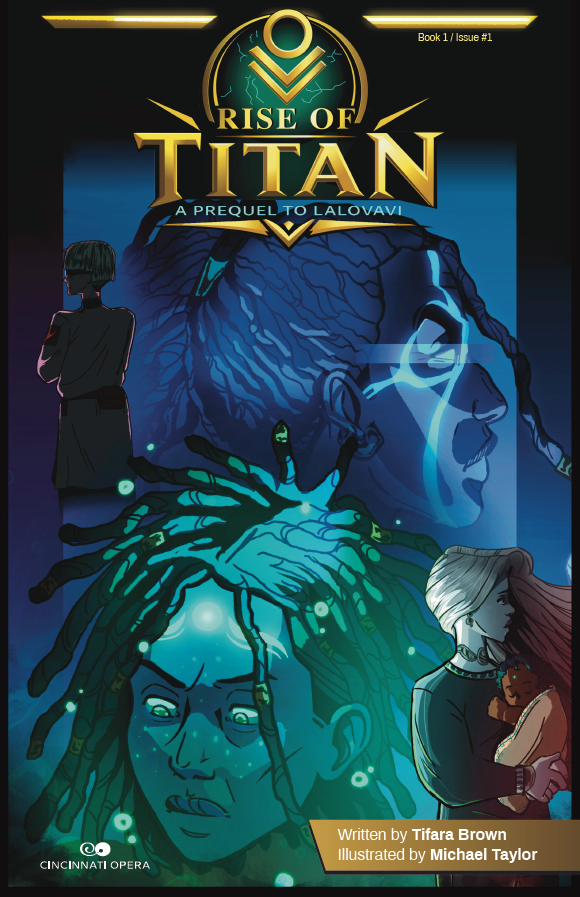
Rise of Titan comic cover
Developing Rise of Titan
Dr. Martin’s work can be best appreciated if one understands liminal space art, which features eerily empty, transitional environments envisioned in places like corridors, abandoned malls, empty playgrounds, even elevators. They represent transition, tapping into the anthropological concept of liminality to evoke a dreamlike sense of being “in-between” places.
“When working on a style ‘bible’ or guide, it’s almost like existing in a liminal space, because you’re looking at where you are and where you want to be,” says Dr. Martin. “The bible forms the source of truth, guiding us regarding the way the world looks, the way the characters look, and the way the characters interface with the world.”
Creating a style bible can be challenging, as the story will pass through different hands and minds, yielding different interpretations for how the characters and environment should appear. It will also be interpreted in different media, whether that is digital or physical. According to Dr. Martin, it’s important to have an established rule for the world you’re creating and be consistent with its laws and lore.
“[Black people] are not a monolith,” she says. "We are beautiful shades of melanin, and that must be reflected in the world we’re building.”
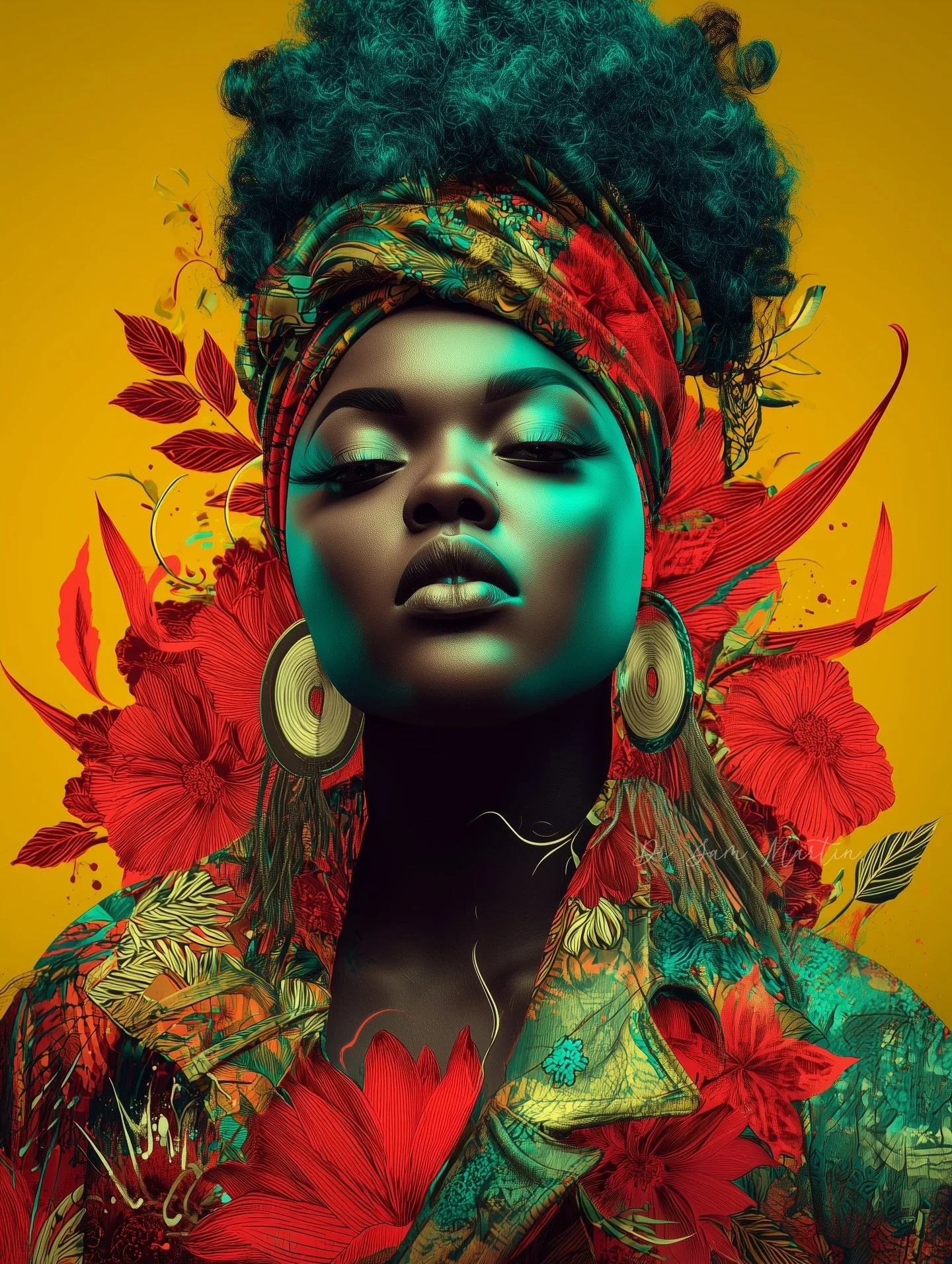
Afrofuturism
Rise of Titan author Brown was very specific about the depth she wanted Dr. Martin to show in the construction of the characters and the world of Lalovavi. The above statement was the sentiment that guided Dr. Martin in her work, and it made her the custodian of the dream the librettist had about fleshing out Lalovavi’s world. One example is Dr. Martin’s use of imagery like biometric designs or markers on the faces of the story’s two main characters, who are brothers—markers that might be interpreted as tattoos. These connect not only to their lineage and heritage, but also to the unique personality differences them.
““Great art starts and ends with the story ... The beauty of art and storytelling is that you’re able to see beneath the surface and allow people to see themselves in the reflection of what you’re showing them.” ”
For Rise of Titan, Dr. Martin pulled her inspiration from a plethora of places, including anime, surrealism, realism, liminal space art, and artificial intelligence. Hers is an exploratory process that allows the reader to appreciate the complex nature of world-building and not just reduce it to colors or an AI prompt. For Dr. Martin, all the things she had experienced, studied, and imagined gave her the tools and the canvas to better express herself for the betterment of the project.
“It’s so many layers,” she says. “I had lots of meetings with the creative team because it was important that we all understood and agreed on the texture of the story and its characters. To be able to showcase the mixture of Africanism, Americanism, and the indigenous experience of African Americans.”
The Impact of the Lalovavi Project
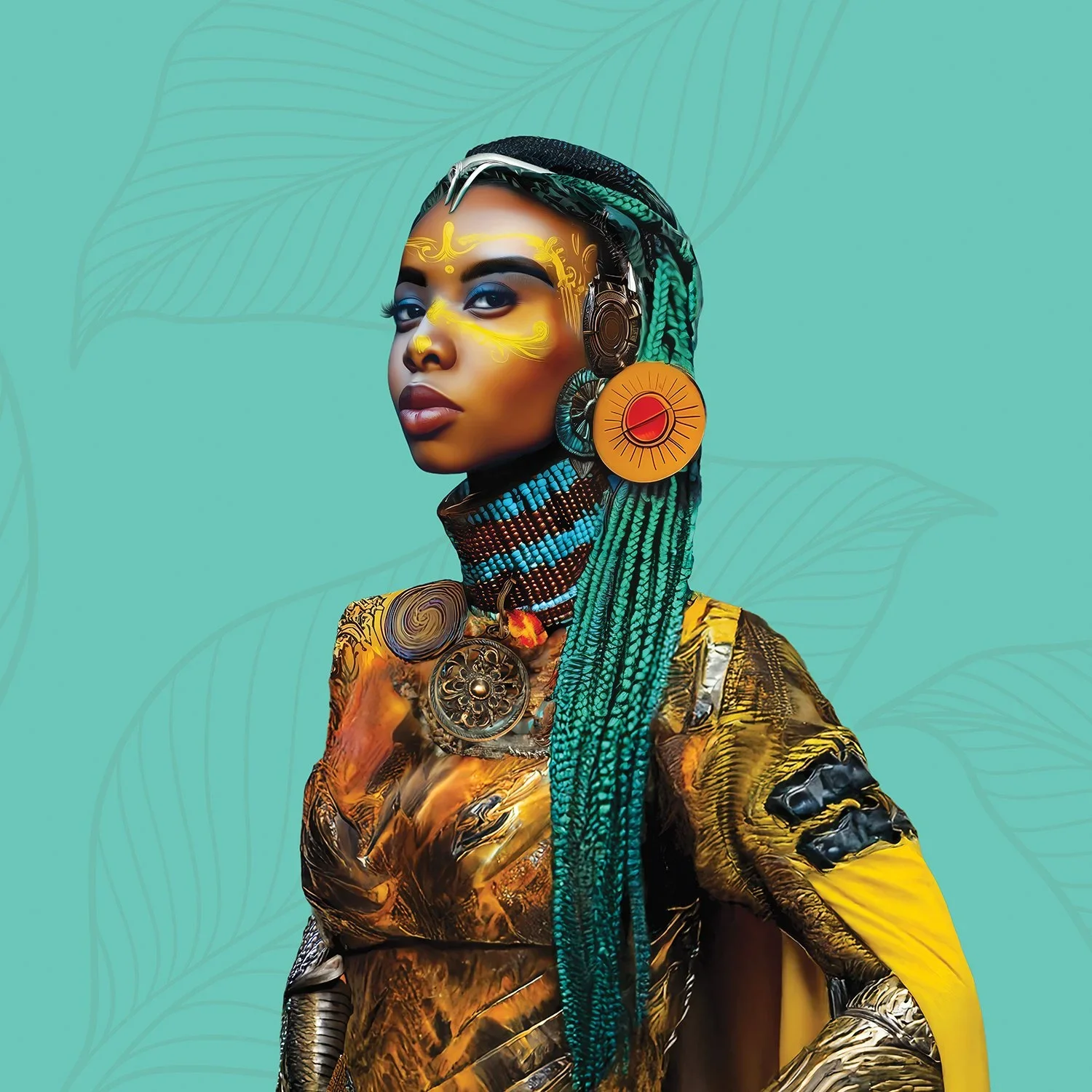
Lalovavi; artwork by Dr. Sam Martin
The three-year-old girl who opened that Robin Hood book would be buzzing right now. Equally, her mother would be so proud of the woman she has become and the impact she’s been able to make. So, what does working on such a groundbreaking and monumental project mean to Dr. Martin?
“It means everything,” she says. “It means we, as Black people, have been able to connect to a global culture through art and imagination. We’ve been able to envision and build a space for ourselves and our collective imaginations. This project united us, tying us together with strength, joy, and passion. This is a representation of who we are, who we have always been, and it’s only the beginning of the revelation.”
For Dr. Martin, this project has inspired her to the point where she is creating and visualizing some of the old stories she’s had in her head. It is allowing her to retell stories in a way that is accessible to people all around the world, giving people the opportunity to resonate with experiences that may unite us and let us feel connected more often than we think and feel in this world.
If you’re looking to purchase the Rise of Titan comics as well as other merchandise, click this link!