
By Erica Reid
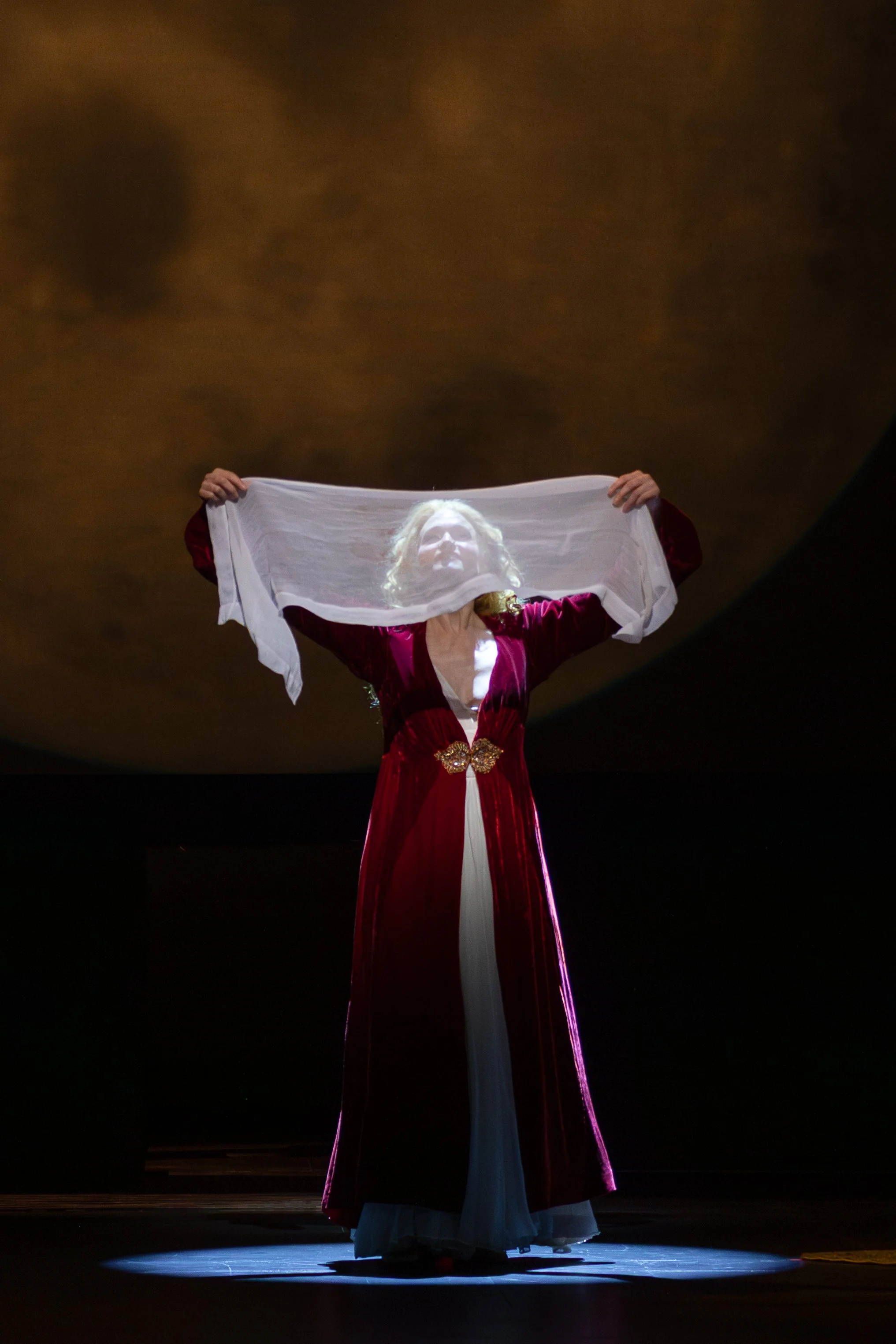
Header image: Kirsten Chambers as Princess Salome. Image By Karli Cadel/San Diego Opera.
The journey of an opera from ideation to production is rarely, if ever, linear. In the case of Salome, Richard Strauss’s electrifying tragedy, the story that began with an unnamed character in the Bible—referred to only as “the daughter of Herodias”—passed through many hands before arriving as a fully-formed opera.
Oscar Wilde: Oscar Wilde, the Irish poet and author perhaps best remembered for comic plays such as The Importance of Being Earnest, published his one-act French-language tragedy Salomé in 1893. Wilde’s play tells the story of John the Baptist, King Herod, and Herod’s teenaged stepdaughter, Salome, and it was the playwright’s use of a simple stage direction—“Salome dances the dance of the seven veils”—that inspired the opera’s most infamous scene.
Hedwig Lachmann: German composer Strauss didn’t see the play Salomé in its original French; rather, he saw director Max Reinhardt’s 1902 production in Berlin using a German translation by author and poet Hedwig Lachmann. Though it’s often the composer who receives attention for an opera, an effective librettist can elevate a work from passable to poetic. Strauss took Lachmann’s text directly from her translation of Wilde’s play, trimmed it down by half, and set it to music.
Richard Strauss: Strauss premiered his Salome in 1905. The opera, which finds Salome attempting to seduce her stepfather Herod in exchange for having John the Baptist beheaded, shocked the audience. Attendees weren’t the only ones feeling scandalized: Soprano Marie Wittich, playing the title role, refused to perform the lurid “Dance of the Seven Veils,” and a dancer ended up standing in for her during that pivotal scene. But Strauss knew what he was doing, as the opera received 50 more performances over the next two years, and remains one of the composer’s most enduring masterpieces.
Romain Rolland: It is interesting to note that Strauss later worked with musicologist Romain Rolland to translate his opera back to French. (The German opera is far more frequently performed.)
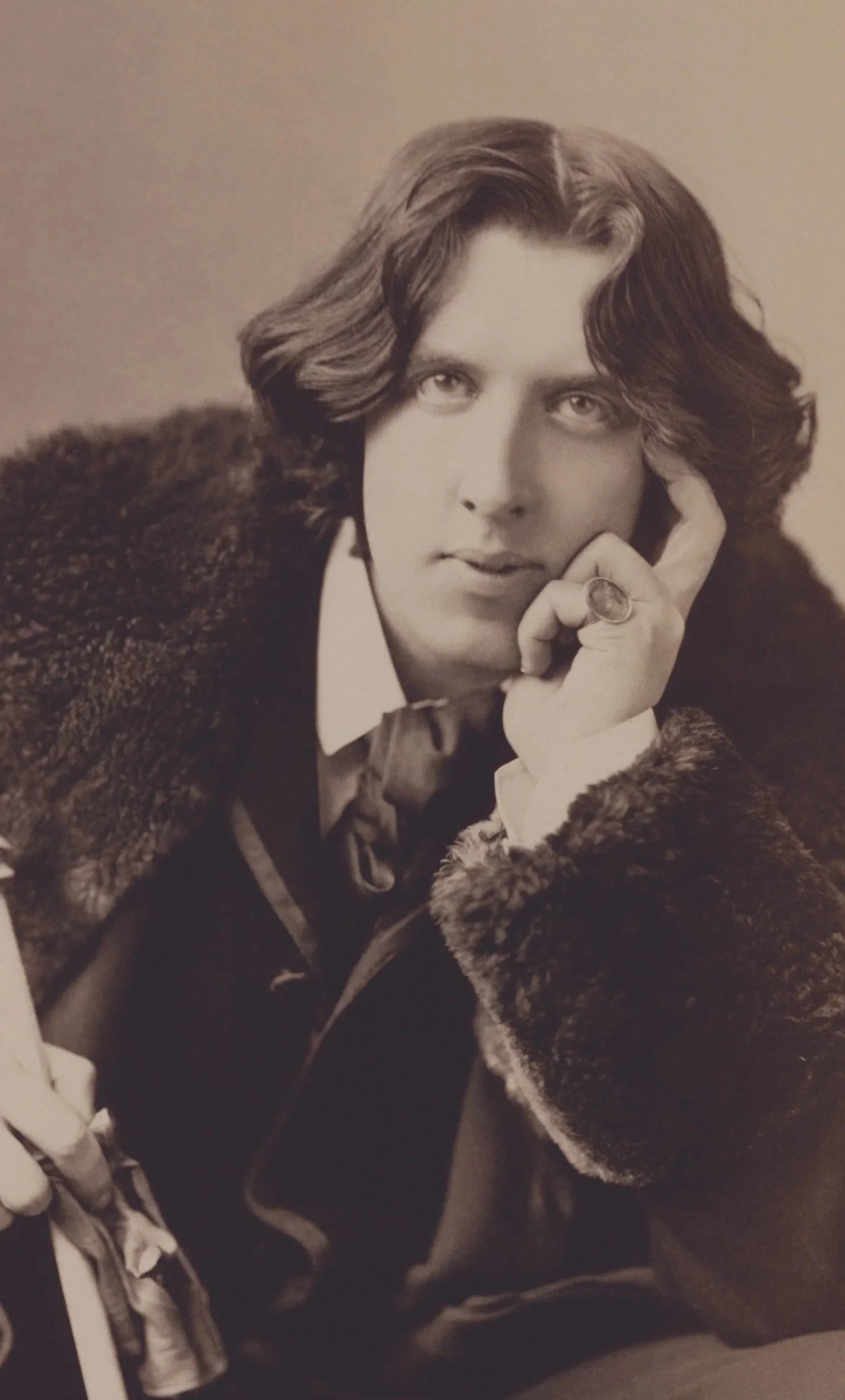
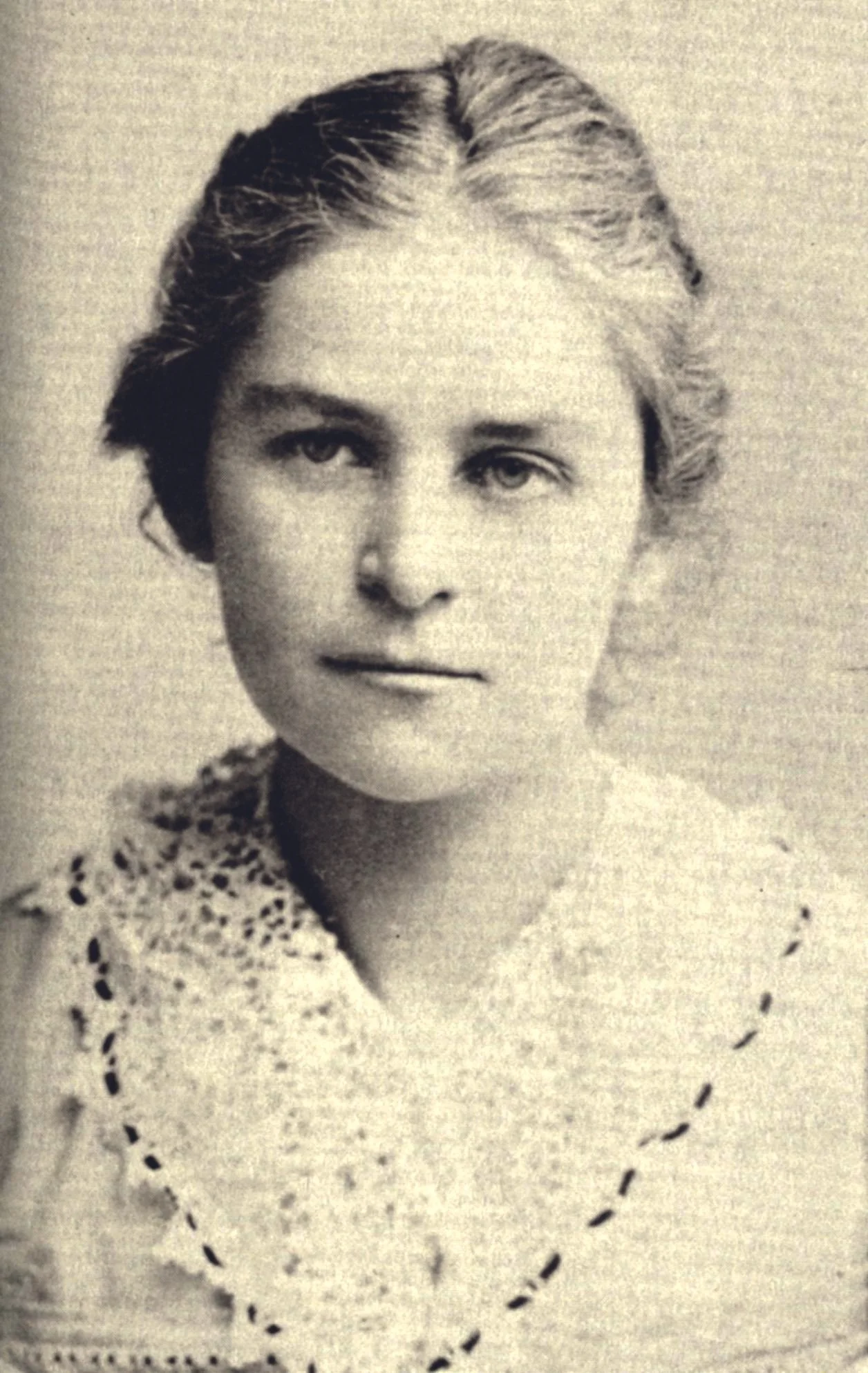
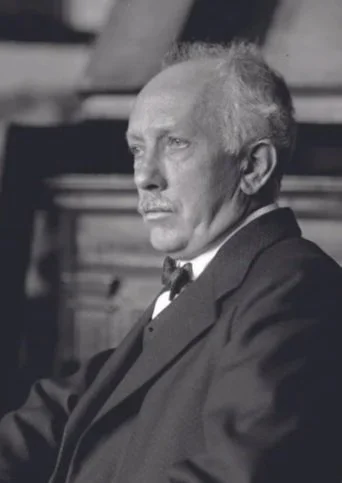
GIVING SALOME VOICE: Oscar Wilde (photo: Napoleon Sarony), Hedwig Lachmann, and Richard Strauss (photo: Ferdinand Schmutzer).
Cincinnati Opera: From biblical story to 1893 play to 1905 opera, Salome has had quite the journey—but why return to it in 2026?
First, the story of Salome still has the shocking power that Oscar Wilde identified more than a century ago. Salome is only a teenager when she becomes utterly fixated on John the Baptist (known as “Jochanaan” in the opera), an imprisoned prophet who does not return her passion. To exact revenge, she demands that Herod make her a promise, and dances the revealing “Dance of the Seven Veils” to seal the deal. Only then, spurred on by her mother, does she make her dark demand: the prophet’s head on a platter.
Because the role of Salome has an iconic tale and unusual demands—Salome must cajole, dance, and enjoy a touch of madness—it is a dream role for some sopranos. Salome also leaves a great deal of space for contemporary reinterpretations, allowing the chance for the opera to continue to evolve with the times. And of course, it is also Strauss’s lush music that continues to woo opera-goers. The composer leans into every twist and turn of this gruesome tale, lifting the story and heightening the drama with musical violence and sensuality. Strauss’s tactics were groundbreaking: He employed volume and dissonance in a way that still surprises audiences, and will undoubtedly shock them once more at Music Hall this summer.
Erica Reid lives in Colorado and returns often to her hometown of Cincinnati, Ohio. She writes for arts organizations and teaches poetry. Learn more at ericareidpoet.com.